
WHEN QUALITY MATTERS
At Eden-Valders Stone we pride ourselves in producing the best limestone products on the market.
RESIDENTIAL
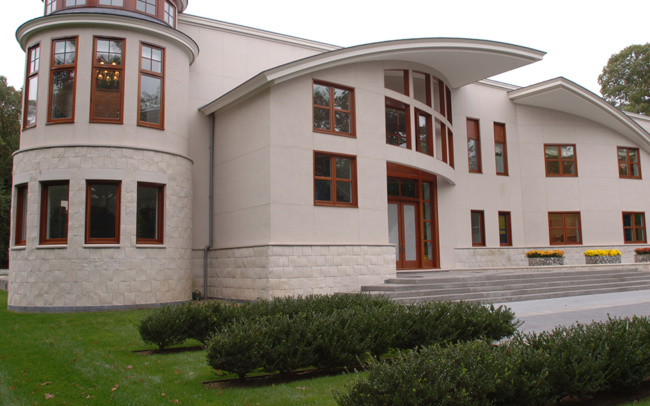
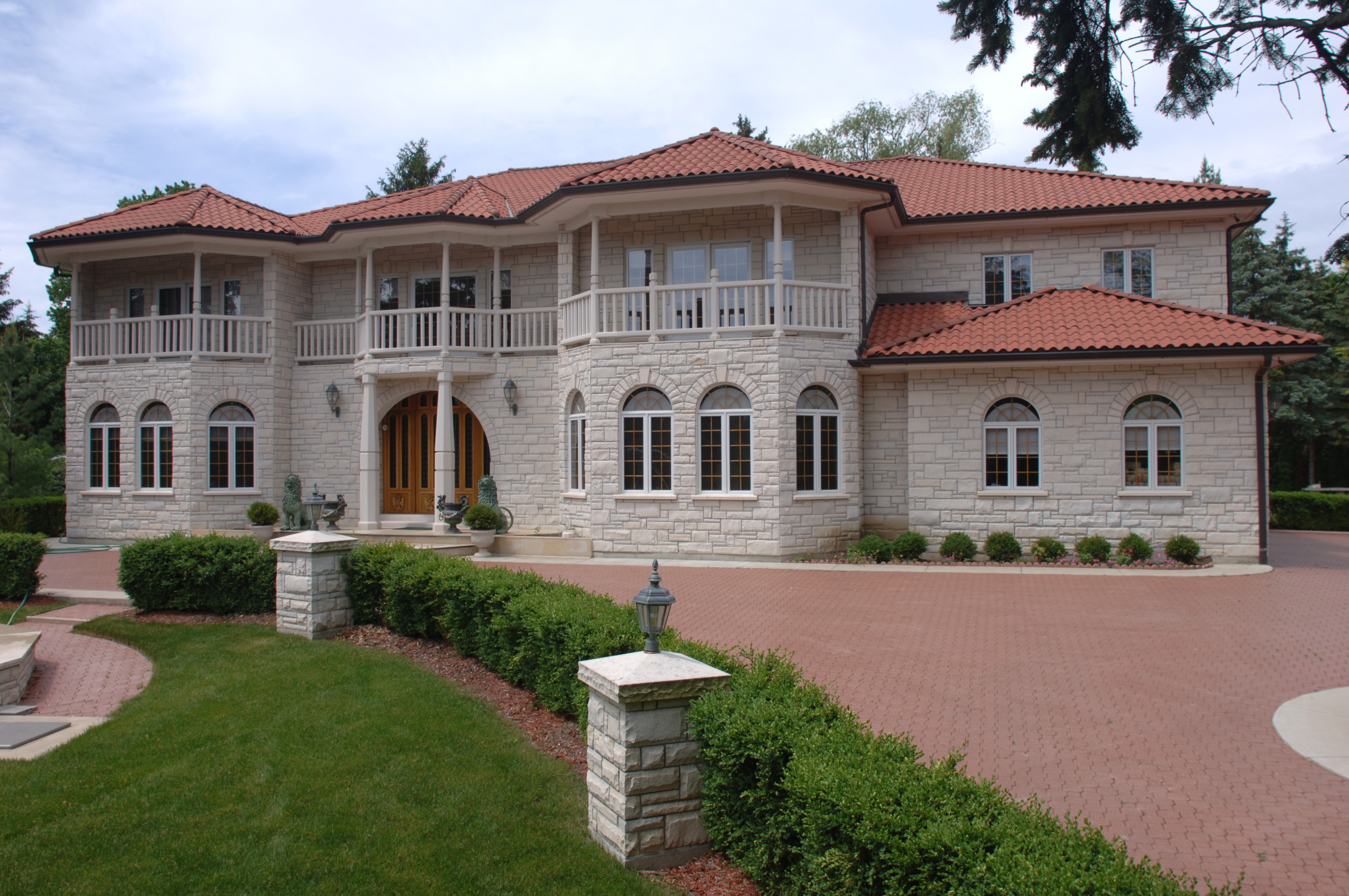
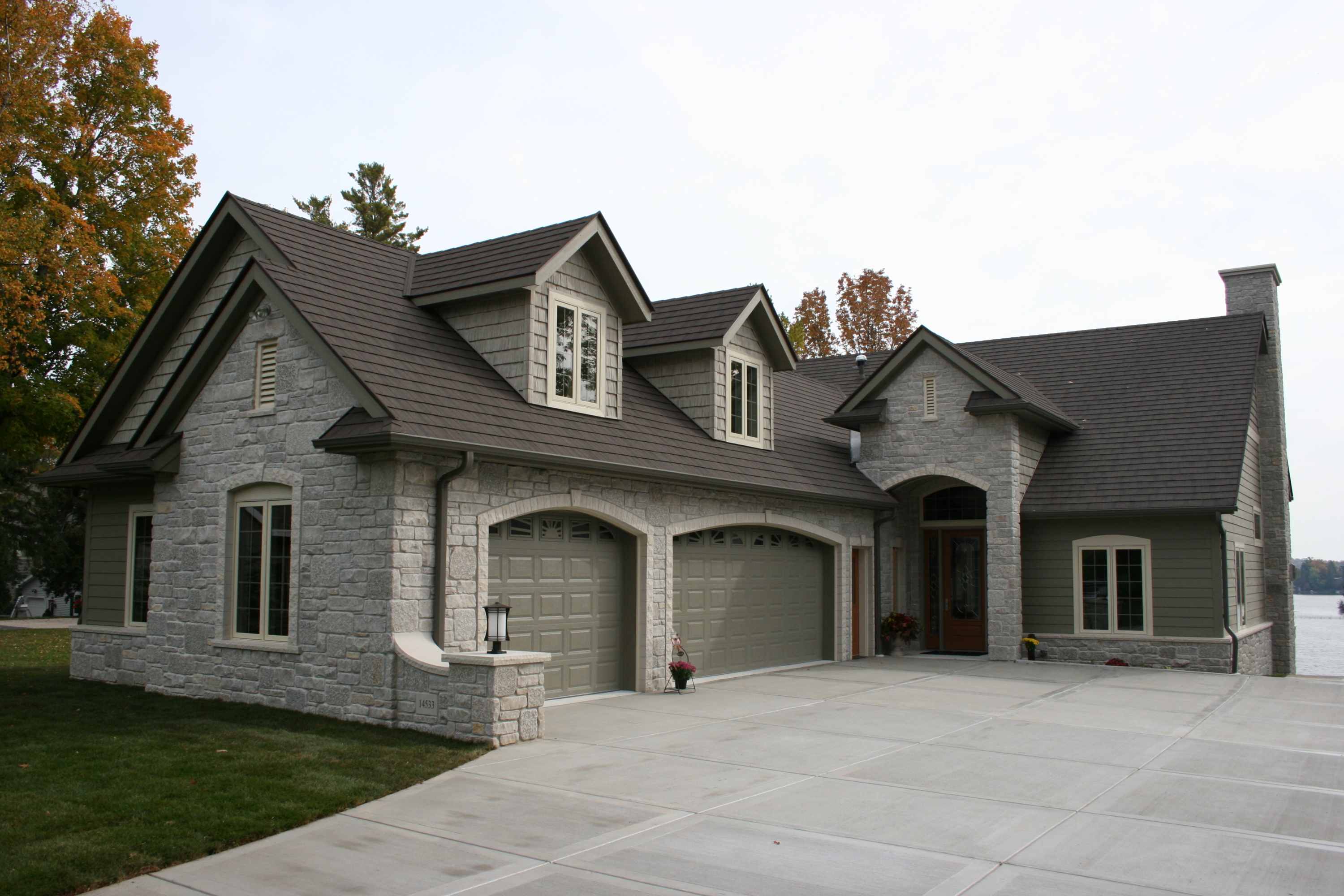
Building a home is a huge undertaking. Natural stone provides the look you desire for any exterior application. Whether you prefer simple sophistication or ornate craftsmanship, our team of stone experts work with you to customize your private sanctuary.
Clad your walls, pave your floors, surround your fireplace. Used as a main focal point or a nice accent piece, natural stone adds character to any interior space.
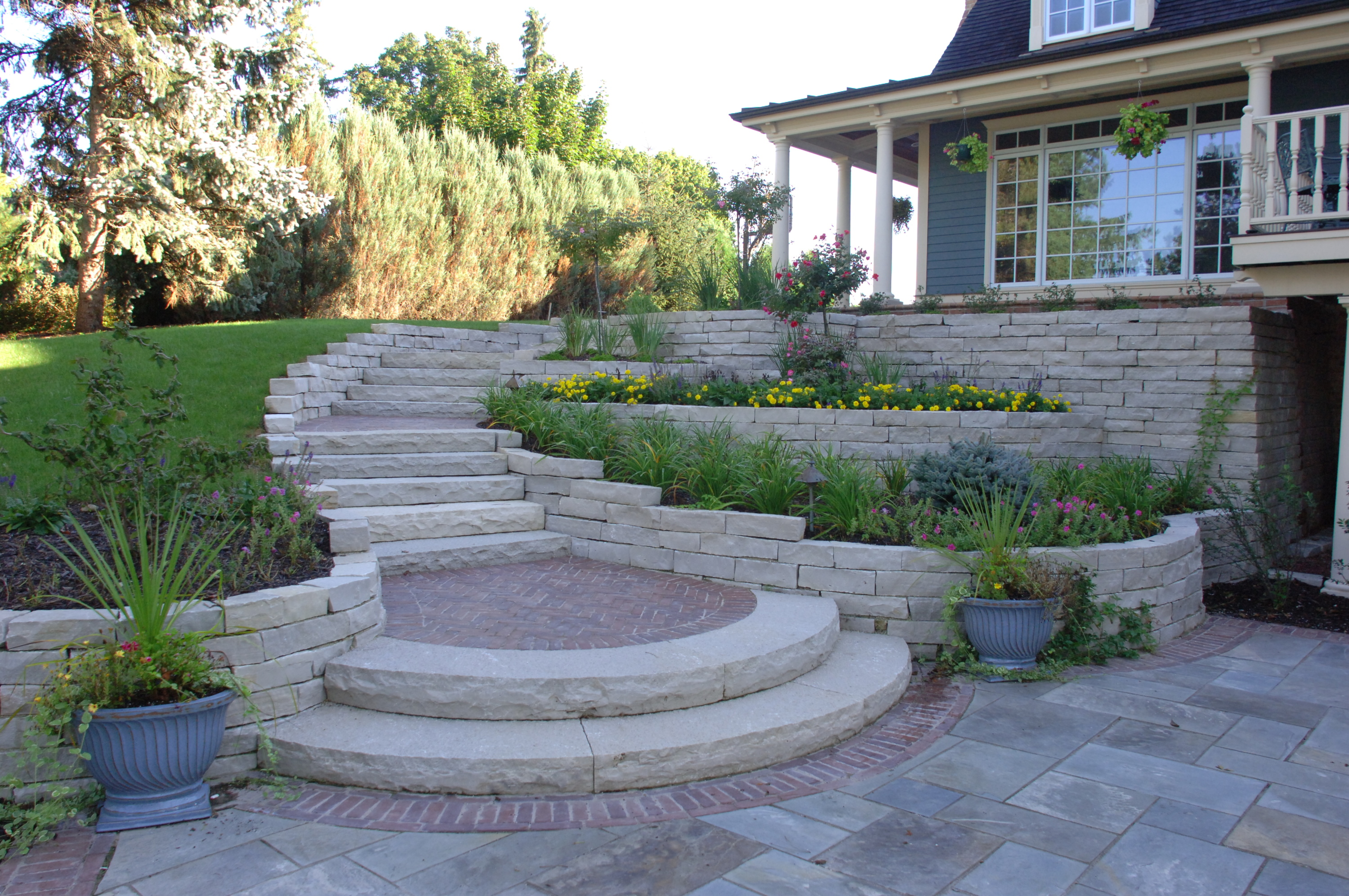
Complement your exterior environment with natural stone. Our wide array of colors, textures, and finishes provide unlimited options while designing your next project. Valders material is cool to the touch, which makes it an ideal application for outdoor patios and walkways.
COMMERCIAL
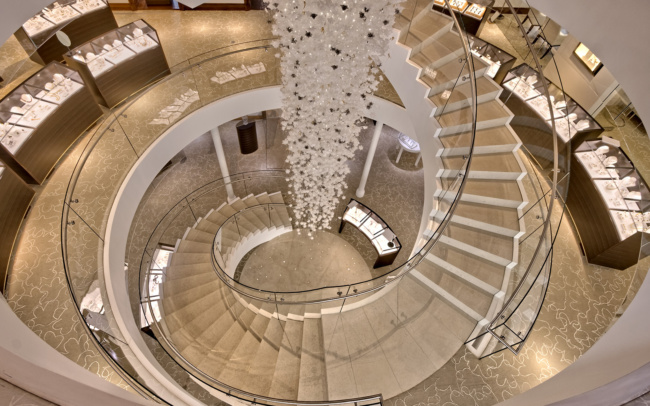
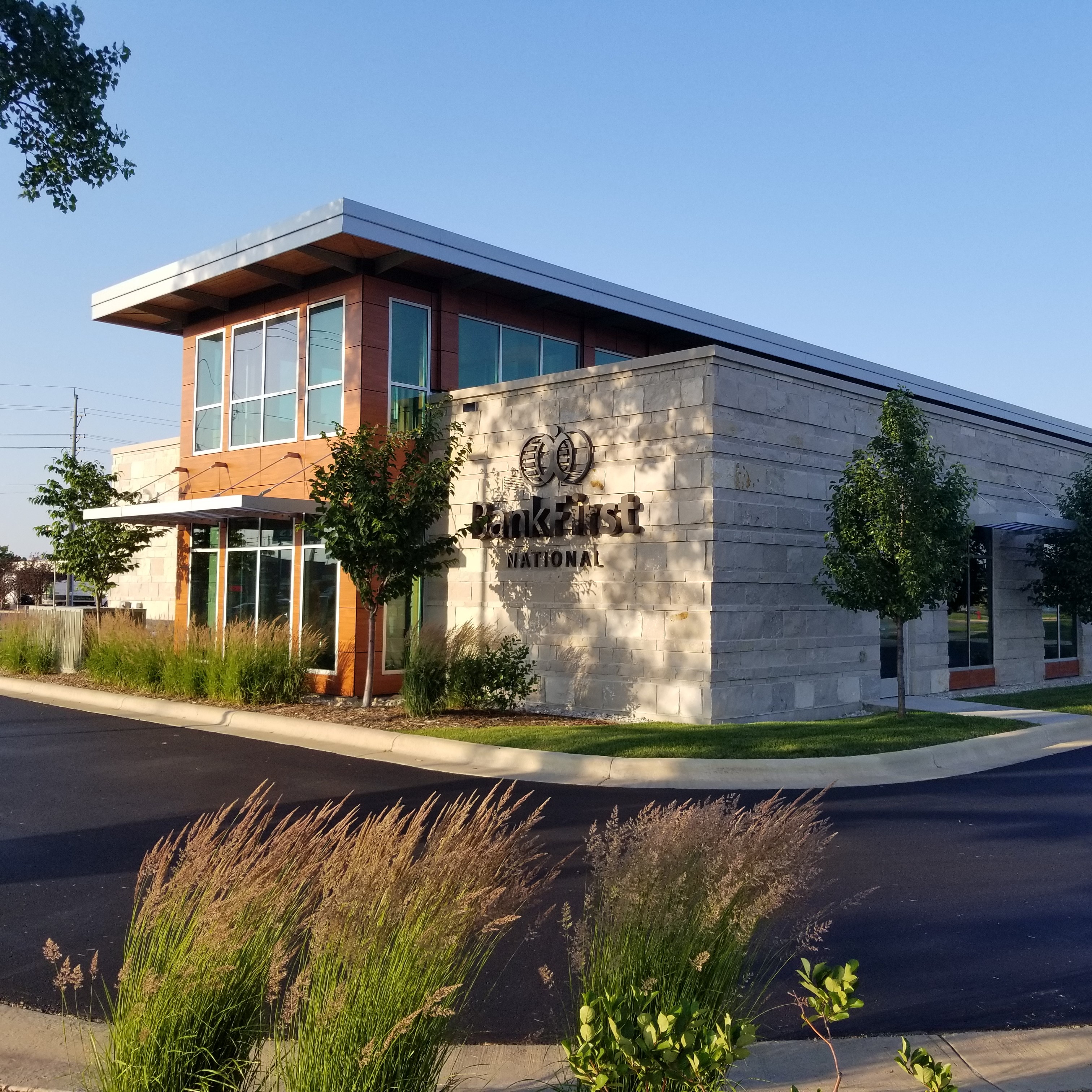
Add a touch of elegance and durability to corporate offices, retail facilities and any structure that demands low maintenance and high aesthetics.
Eden-Valders dimensional cut stone is a natural selection used to clad or accent the exterior and interior of educational facilities. Our stone combines the features of durability, beauty, and low maintenance. It is a choice that delivers permanent value to the facility and institution.
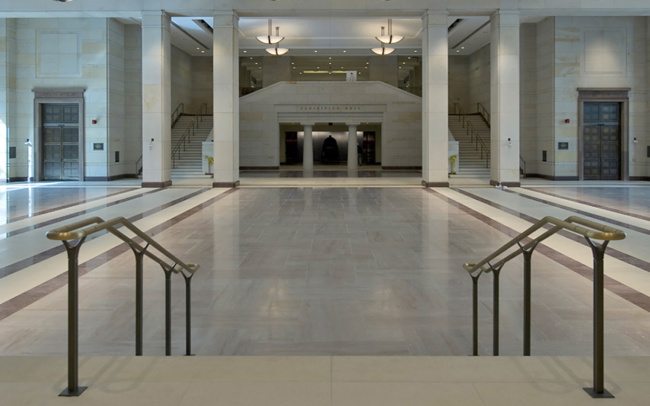
Dimensional cut limestone enhances the formal image associated with government facilities. An ideal choice for any application, Eden-Valders material stands up well to Mother Nature, requires minimum maintenance, and provides added security for the exterior of the structure. Make a powerful statement with Eden-Valders natural stone.
AGGREGATE & RIP RAP
At Eden-Valders Stone we utilize all the stone that is quarried. Our by product from processing your residential or commercial products is transformed into rip rap and aggregate products.
At our Valders location, riprap material is sized and sorted for use as highway and marine structures including shoreline revetments, stabilization, erosion control and to build breakwater structures. This material includes armor stone, underlayment stone, scour stone, splash stone, core stone, bedding stone, mattress stone, and fill stone.
In addition, the remaining limestone material that is smaller is crushed into aggregate products which are sold to local contractors for the construction of roads, parking lot bases, free draining underfloor, concrete stone, and perimeter aggregate. Crushing is done on site by Eden-Valders Stone. Products include various sizes of screenings, road gravel, base material, clear stone, breaker run, chips, and manufactured sand.
The majority of rip rap and aggregate products are available at our Valders location. We do have aggregate products at our Eden location.
.
RESOURCES
Literature
We have a verity of literature that offers a collection of ideas and information.
Specs & Test Data
Specification documents that can be downloaded into your own formats.
Color & Finishes
Check out our wide range of colors and finishes we offer with our stone.
Maintenance Guide
How to take care of our products after they’ve been installed.
Packaging
Our stone is packaged to secure and protect the product in transit.